

Introduction
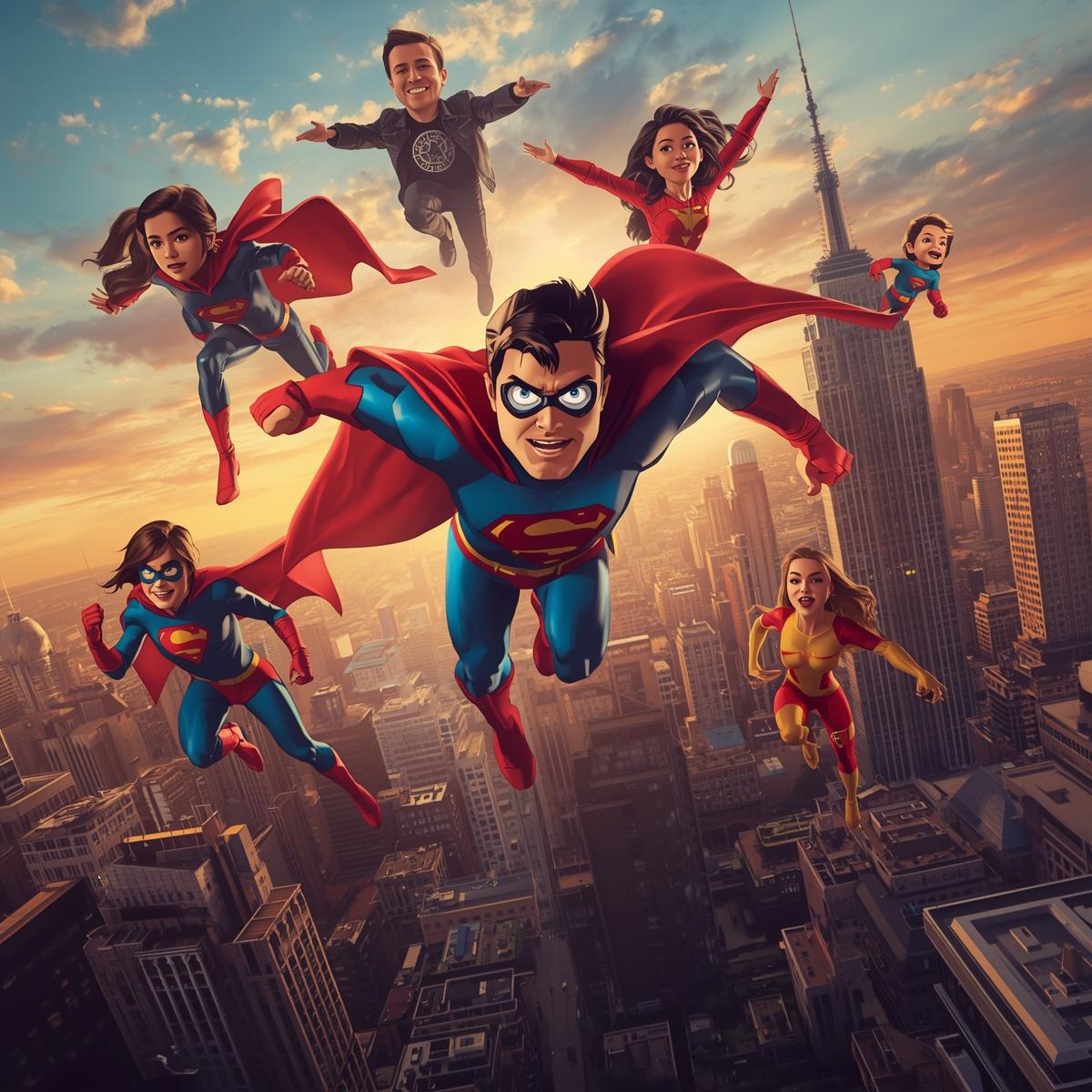
Superhero animated series are shows that feature characters with special abilities or extraordinary skills, engaging in missions that involve protecting others, solving problems, or fighting adversaries. These series are popular among children, teenagers, and adults. They combine entertainment with lessons about responsibility, teamwork, problem-solving, and ethical decision-making.
This article provides a detailed overview of top superhero animated series. It covers classic and modern shows, production details, platforms, storytelling techniques, international contributions, audience impact, and future trends.
Importance of Superhero Animated Series
Superhero series provide entertainment while teaching lessons about ethics, responsibility, and collaboration. Characters serve as role models, showing children and teenagers how to handle challenges and conflicts.
Watching superheroes face problems and consequences develops critical thinking and problem-solving skills. Series also teach teamwork, cooperation, and planning, which are essential for personal and social development.
Parents and educators can use these shows to guide discussions about decision-making, ethical behavior, and personal responsibility.
Platforms Hosting Superhero Series
Television Channels
Channels like Cartoon Network, Nickelodeon, Disney Channel, and Boomerang broadcast superhero series. Episodes are scheduled to target children and teenagers, providing consistent access to storylines. Classic series were first introduced on television and continue to be available through reruns.
Streaming Platforms
Platforms such as Netflix, Disney+, Amazon Prime Video, and Hulu host superhero animated series. On-demand access allows viewers to watch episodes repeatedly, follow serial storylines, and explore spin-offs.
Streaming platforms also provide international accessibility through subtitles and dubbing. Interactive features on some platforms allow viewers to participate in quizzes or challenges related to episodes.
Online Platforms
Independent creators and smaller studios release superhero series on YouTube, Vimeo, and other online platforms. These series often focus on short episodes or mini-series. Some provide interactive features such as polls or discussion prompts to encourage engagement.
Features of Superhero Animated Series
Storytelling Techniques
Superhero series follow structured storylines where heroes face challenges, confront villains, and solve problems. Stories highlight responsibility, ethical decision-making, and teamwork.
Episodes often include moral dilemmas, teaching children and teenagers about consequences and accountability. Storytelling integrates action, suspense, and problem-solving to maintain engagement while communicating lessons.
Action Sequences
Animation emphasizes movement, battles, and dynamic sequences. Action scenes illustrate strategies, cause-and-effect relationships, and skill application.
Sequences are designed to maintain attention while clearly showing problem-solving, collaboration, and hero abilities. Visual storytelling reinforces learning and comprehension.
Character Development
Superhero animated series focus on character growth. Heroes develop skills, improve teamwork, and learn lessons from mistakes. Villains demonstrate consequences of unethical behavior.
Character arcs provide examples of perseverance, responsibility, and personal growth. Observing progression reinforces lessons on decision-making and collaboration.
Teamwork and Collaboration
Many superhero series feature teams with members possessing different abilities. Teamwork episodes show the value of communication, coordination, and leveraging diverse skills.
These sequences encourage viewers to understand cooperation, compromise, and collective problem-solving.
Classic Superhero Animated Series
Batman: The Animated Series
One of the earliest series to combine action with ethical lessons. Batman faces criminals while promoting responsibility, justice, and problem-solving. Episodes focus on crime prevention, planning, and moral choices.
Spider-Man: The Animated Series
Spider-Man series highlight the principle that actions have consequences. Peter Parker balances personal life with hero responsibilities. Episodes demonstrate accountability, ethical decision-making, and teamwork with allies.
X-Men: The Animated Series
X-Men focuses on cooperation among a diverse team of superheroes. Episodes address conflict resolution, diversity, teamwork, and ethical challenges. Characters learn from each other’s strengths, emphasizing collective problem-solving.
Modern Superhero Animated Series
Justice League and Justice League Unlimited
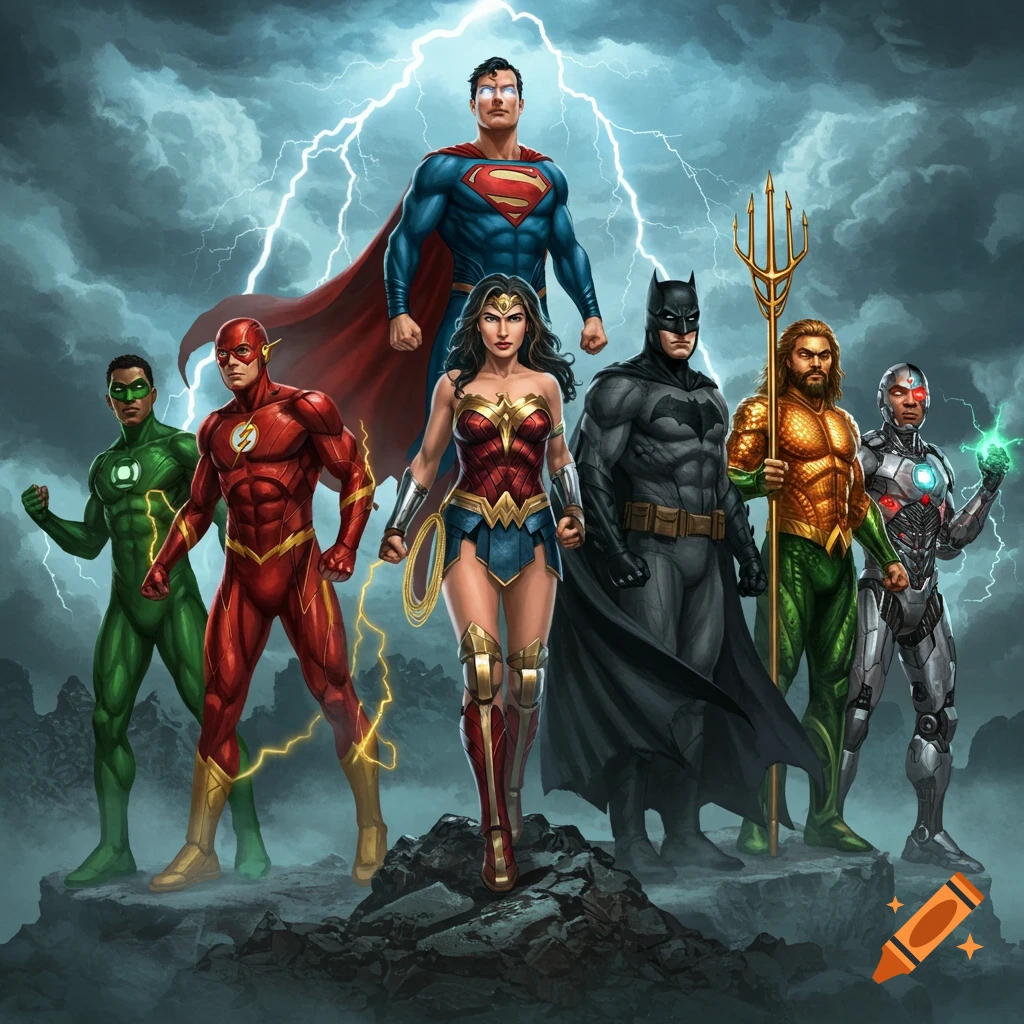
These series feature a team of heroes solving global problems. Episodes emphasize planning, collaboration, and leadership. Characters demonstrate responsibility, ethical decision-making, and teamwork.
Young Justice
Young Justice follows younger heroes learning to operate as a team. Series addresses social skills, teamwork, ethical choices, and personal responsibility. Episodes include strategic problem-solving and character development.
Batman Beyond
Batman Beyond follows a new hero under the mentorship of the original Batman. Episodes explore responsibility, mentorship, ethical decision-making, and societal challenges. The series emphasizes learning through guidance and observation.
International Superhero Animated Series
Japan
Japanese series like Tiger & Bunny and My Hero Academia explore heroism, teamwork, and moral lessons in different cultural contexts. Episodes focus on training, responsibility, and ethical use of abilities.
Europe
European superhero series often include moral lessons integrated with adventure and teamwork. These series provide perspectives on cooperation, social responsibility, and problem-solving within local cultural contexts.
India
Indian superhero series focus on traditional heroes, mythology, and moral lessons. Episodes emphasize courage, ethical behavior, teamwork, and responsibility. Localization ensures accessibility and relevance to regional audiences.
Production and Technology
Animation Techniques
Superhero series use 2D, 3D, and hybrid animation. Motion capture, virtual backgrounds, and digital effects enhance action sequences and dynamic storytelling. Animation technology supports visual clarity while maintaining narrative focus.
Voice Acting
Voice actors provide consistent character portrayal. Dialogues, narration, and vocal expressions reinforce ethical lessons and storylines. Multiple languages and dubbing allow global access.
Storyboarding and Scriptwriting
Scripts are carefully designed to integrate moral lessons, action sequences, and problem-solving. Storyboarding ensures episodes convey cause-and-effect relationships and character growth visually and narratively.
Teaching Techniques in Superhero Series
Repetition and Reinforcement
Key lessons such as responsibility, teamwork, and ethical decision-making are repeated in multiple episodes. Repetition ensures comprehension and long-term retention.
Role Modeling
Characters demonstrate ethical behavior, problem-solving, and cooperation. Observing role models helps viewers apply lessons to real-life situations.
Cause-and-Effect Learning
Episodes show consequences of decisions and actions. Cause-and-effect storytelling helps children and teenagers understand accountability and decision-making.
Interactive Learning
Some platforms include interactive quizzes, polls, or activities related to episodes. Active engagement reinforces lessons and enhances learning beyond passive viewing.
Impact on Audience
Superhero animated series influence cognitive, social, and emotional development. Children learn problem-solving, teamwork, ethical behavior, and responsibility.
Teenagers and adults benefit from observing complex ethical dilemmas, leadership decisions, and collaborative strategies. Shared viewing encourages discussion and reflection on moral and social behavior.
Challenges in Production
Balancing Action and Moral Lessons
Producers must combine engaging action sequences with clear ethical or social lessons. Maintaining audience interest while teaching values requires careful planning.
Global Accessibility and Cultural Relevance
Series must be accessible to international audiences. Cultural adaptation, dubbing, and localization ensure lessons are understood and relevant worldwide.
Budget and Technology
High-quality animation, interactive content, and multi-platform availability require investment. Studios balance cost, efficiency, and effective storytelling.
Future Trends
Future superhero animated series will include interactive experiences, virtual reality integration, and global accessibility. Collaboration with educators, psychologists, and child development experts will ensure age-appropriate and educational storytelling.
Global series will continue to introduce diverse heroes, ethical challenges, and teamwork scenarios. Streaming platforms will expand availability, allowing audiences to access complete series, spin-offs, and supplementary content.
Conclusion
Top superhero animated series provide entertainment and lessons on responsibility, teamwork, problem-solving, and ethical decision-making. Classic, modern, and international series offer diverse perspectives on heroism and morality.
Parents, educators, and creators can use superhero series as tools for guiding discussions on ethics and social behavior. Monitoring new releases, platforms, and production techniques ensures children and teenagers have access to safe, educational, and engaging content.
Superhero animated series remain a valuable medium for combining entertainment with learning, teaching viewers how to navigate challenges while applying ethical and social principles.





Leave a Reply