

Introduction
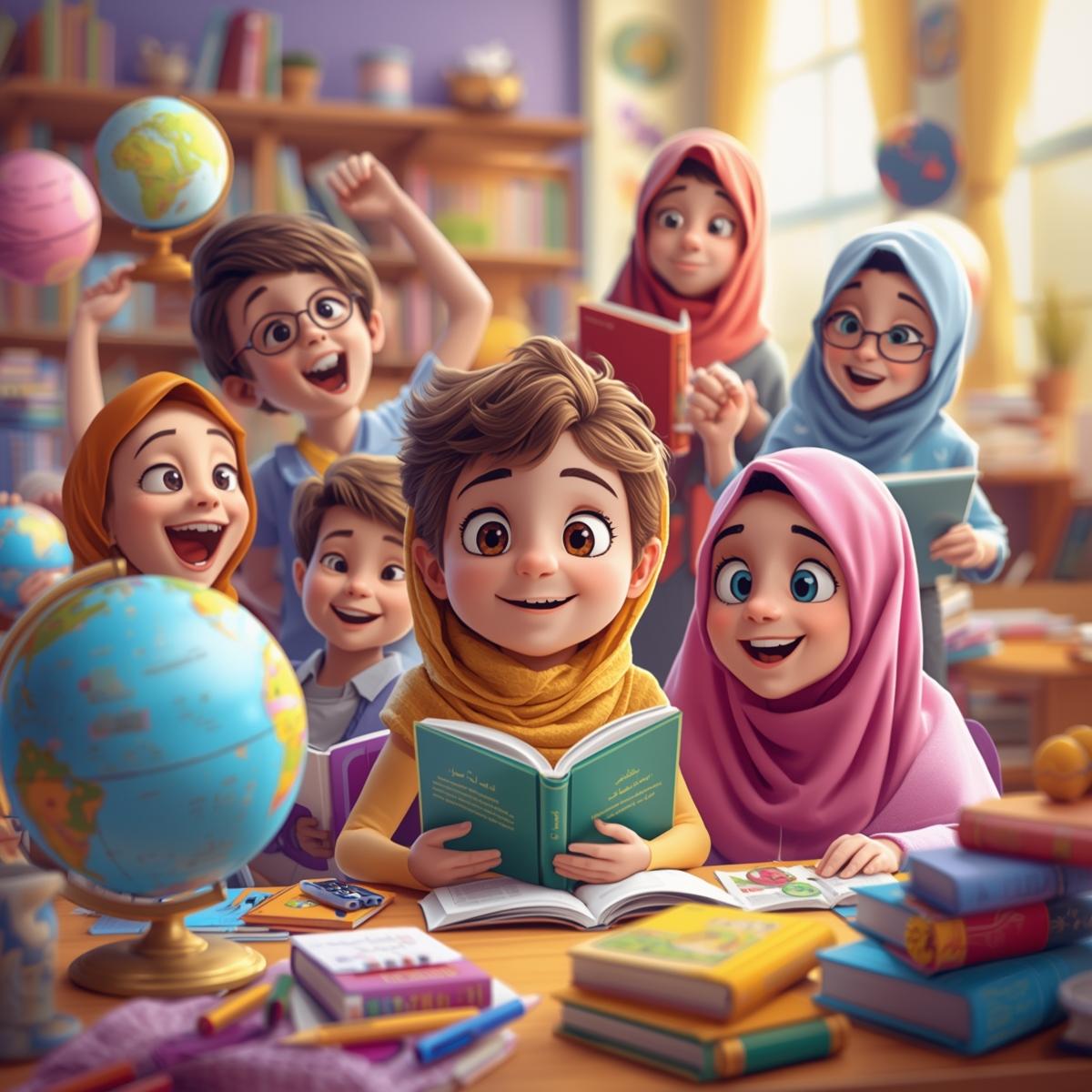
Educational cartoons play an important role in children’s learning and development. They combine storytelling with lessons on numbers, language, science, history, social skills, and problem-solving. Parents, educators, and creators follow new educational cartoons to provide content that engages children and supports learning objectives.
This article covers the best educational cartoons for kids, including recent series, popular platforms, learning techniques, production details, audience reception, and the impact of educational content on child development.
Importance of Educational Cartoons
Educational cartoons are designed to teach while entertaining. They help children understand basic concepts such as colors, numbers, letters, and shapes. They also introduce problem-solving, teamwork, communication, and critical thinking skills.
Children learn by observing and imitating characters in cartoons. Educational content also provides exposure to social situations, cultural awareness, and language development. Combining visual storytelling with educational objectives improves engagement and retention of concepts.
Platforms for Educational Cartoons
Television Channels
Channels like PBS Kids, Nickelodeon, and Cartoon Network broadcast educational cartoons. These channels provide curated content suitable for different age groups. Educational cartoons on television are often scheduled to match children’s routines, supporting structured viewing.
Streaming Platforms
Streaming services such as Netflix, Disney+, Amazon Prime Video, and YouTube provide on-demand access to educational cartoons. Platforms host both established and new series, allowing parents to select content according to their children’s interests and learning needs.
Streaming platforms also provide multilingual content. This allows children to access educational cartoons in different languages, supporting language learning and cultural awareness.
Online Platforms
Independent creators release educational cartoons on YouTube and other online platforms. These series often focus on niche topics such as science experiments, history lessons, or math problem-solving. Online platforms allow interactive engagement, quizzes, and viewer participation.
Key Features of Educational Cartoons
Storytelling Techniques
Educational cartoons combine narrative with lessons. Characters encounter challenges that teach numbers, language, or social skills. Storylines include repetition of key concepts to reinforce learning.
Cartoons often integrate songs, rhymes, and visual cues to improve memorization. Storytelling also provides context, helping children apply concepts in real-world situations.
Visual Learning
Animation uses colors, shapes, and movement to explain concepts. Visual representation of numbers, letters, and objects enhances comprehension. Animators use repetition, sequences, and comparisons to reinforce lessons.
Scenes are designed to maintain attention while providing clear examples. Visual cues help children differentiate objects, understand sequences, and develop pattern recognition skills.
Interactive Content
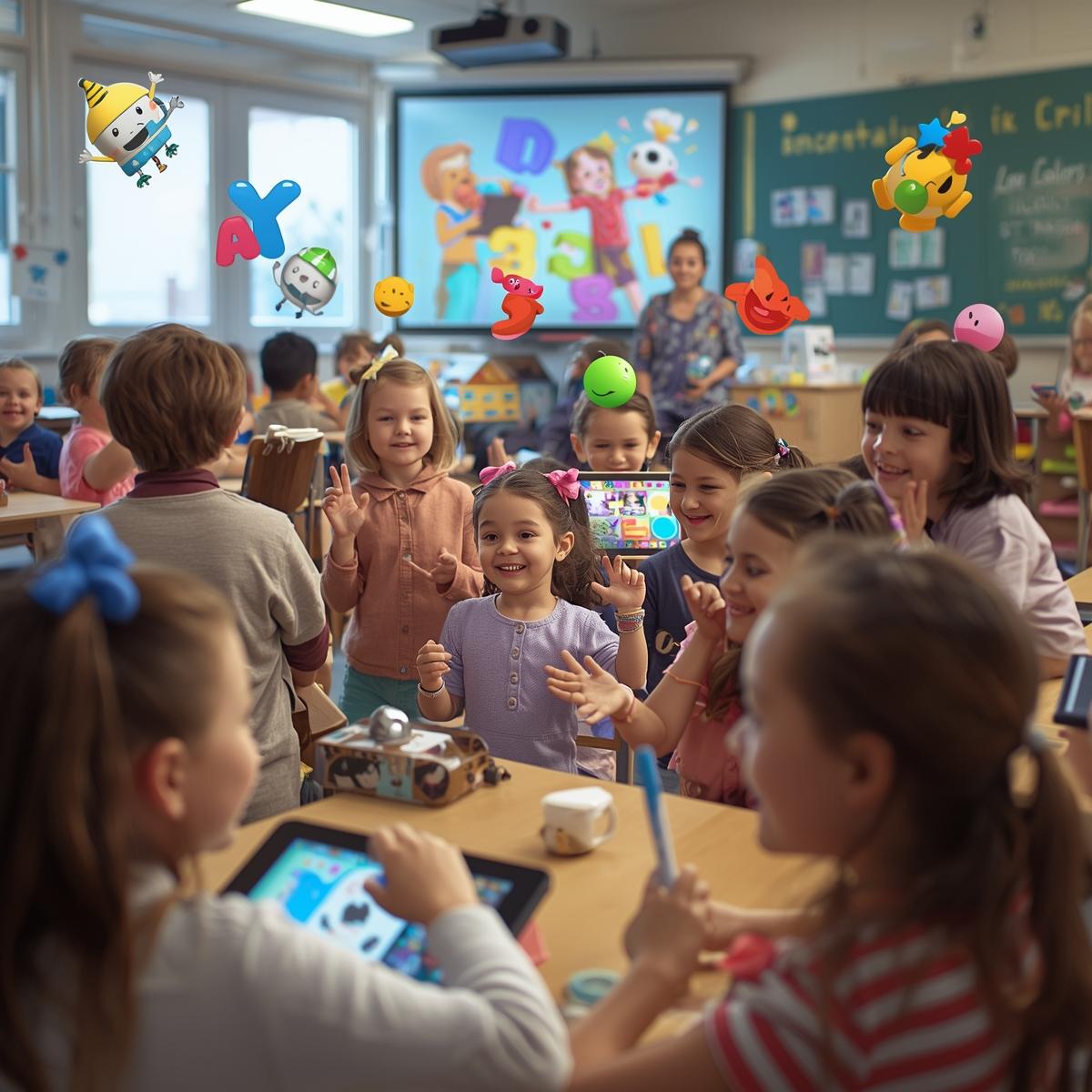
Some educational cartoons allow interaction through quizzes, games, or prompts within episodes. Interactive features increase engagement and support active learning.
Platforms also provide supplementary materials such as worksheets, lesson plans, or activities to reinforce concepts introduced in cartoons. These features create a comprehensive learning environment.
Popular Educational Cartoon Series
Series for Preschoolers
Cartoons aimed at preschoolers focus on basic skills such as letters, numbers, colors, and shapes. Characters often use repetition and songs to teach concepts. Examples include series that teach social skills like sharing, patience, and cooperation.
Episodes are short to match attention spans. Storylines are simple and consistent, providing a structured learning experience for young children.
Series for Early School Age
Cartoons for early school-age children introduce more complex concepts. Series cover math, science, language skills, and history. Characters demonstrate problem-solving and critical thinking.
Episodes may include storytelling, challenges, and interactive segments. These series support classroom learning and encourage children to explore new concepts independently.
Series for Older Children
Educational cartoons for older children focus on advanced topics such as science experiments, history events, geography, and social skills. Storylines involve problem-solving, teamwork, and ethical lessons.
Characters may model real-life situations, helping children understand consequences and decision-making. These series often include projects or challenges that children can replicate offline.
Recent Releases in Educational Cartoons
New Series on Streaming Platforms
Streaming platforms regularly release new educational series. These series incorporate modern technology, interactive elements, and global learning content. Recent releases focus on STEM topics, language learning, environmental awareness, and global cultures.
Announcements of new series provide parents and educators with options for structured learning. Platforms often categorize content by age and subject to help viewers select appropriate series.
International Series
Many educational cartoons are produced internationally. Series from Japan, Europe, and India contribute to global learning content. Localization, dubbing, and cultural adaptation ensure accessibility for children worldwide.
International series introduce new perspectives, languages, and historical contexts. These series support multicultural learning and encourage children to explore global cultures.
Learning Techniques in Educational Cartoons
Repetition and Reinforcement
Educational cartoons often repeat concepts to reinforce learning. Key phrases, songs, and sequences are used multiple times. Repetition ensures comprehension and retention of lessons.
Role Modeling
Characters demonstrate positive behavior and problem-solving skills. Children observe and imitate characters, learning social norms and strategies.
Role modeling also includes teamwork, patience, empathy, and ethical decision-making. Characters’ actions serve as examples for applying concepts in real life.
Gamification
Some educational series include interactive games and challenges. Gamification motivates children to engage with content and apply concepts. Points, rewards, and problem-solving tasks are often integrated into episodes.
Impact on Child Development
Educational cartoons influence cognitive, social, and emotional development. They improve memory, language skills, problem-solving abilities, and social understanding. Children learn to identify patterns, understand cause and effect, and engage in creative thinking.
Parents and educators observe positive impacts when children watch age-appropriate educational content regularly. Cartoons also provide structured learning opportunities outside the classroom.
Challenges in Producing Educational Cartoons
Balancing Learning and Entertainment
Producers face challenges in balancing educational content with engaging storytelling. Maintaining attention while teaching concepts requires careful planning and creativity.
Accessibility and Localization
Making content accessible for different languages and cultures is challenging. Producers must consider voiceovers, subtitles, and cultural adaptation.
Technology and Budget Constraints
Advanced animation tools and interactive features require investment. Smaller studios must balance quality and cost while delivering educational content.
Future Trends in Educational Cartoons
Future educational cartoons may focus on interactive learning, virtual reality integration, and personalized content. Streaming platforms will continue to expand content availability globally.
Collaboration between educators, psychologists, and animators will increase to ensure content meets developmental needs. International collaborations will bring diverse perspectives and subjects to children worldwide.
Conclusion
Educational cartoons provide children with learning opportunities through storytelling, visuals, and interactive content. They support cognitive, social, and emotional development. Platforms, studios, and independent creators continue to produce series that target different age groups and learning objectives.
Monitoring new releases, series trends, and production techniques ensures that parents, educators, and creators can provide children with content that is effective, accessible, and engaging. Educational cartoons remain a vital tool in child learning and development.




Leave a Reply