Introduction
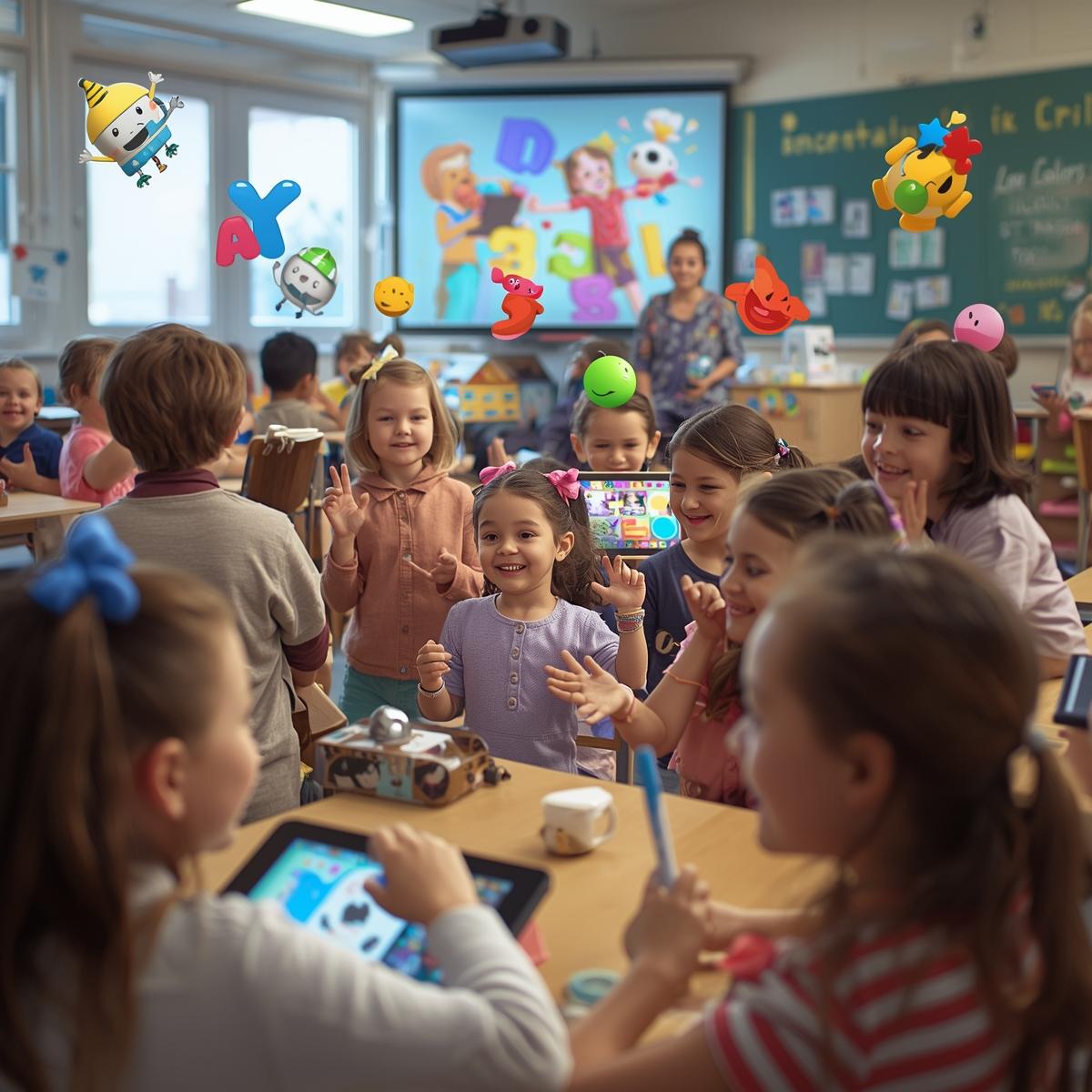
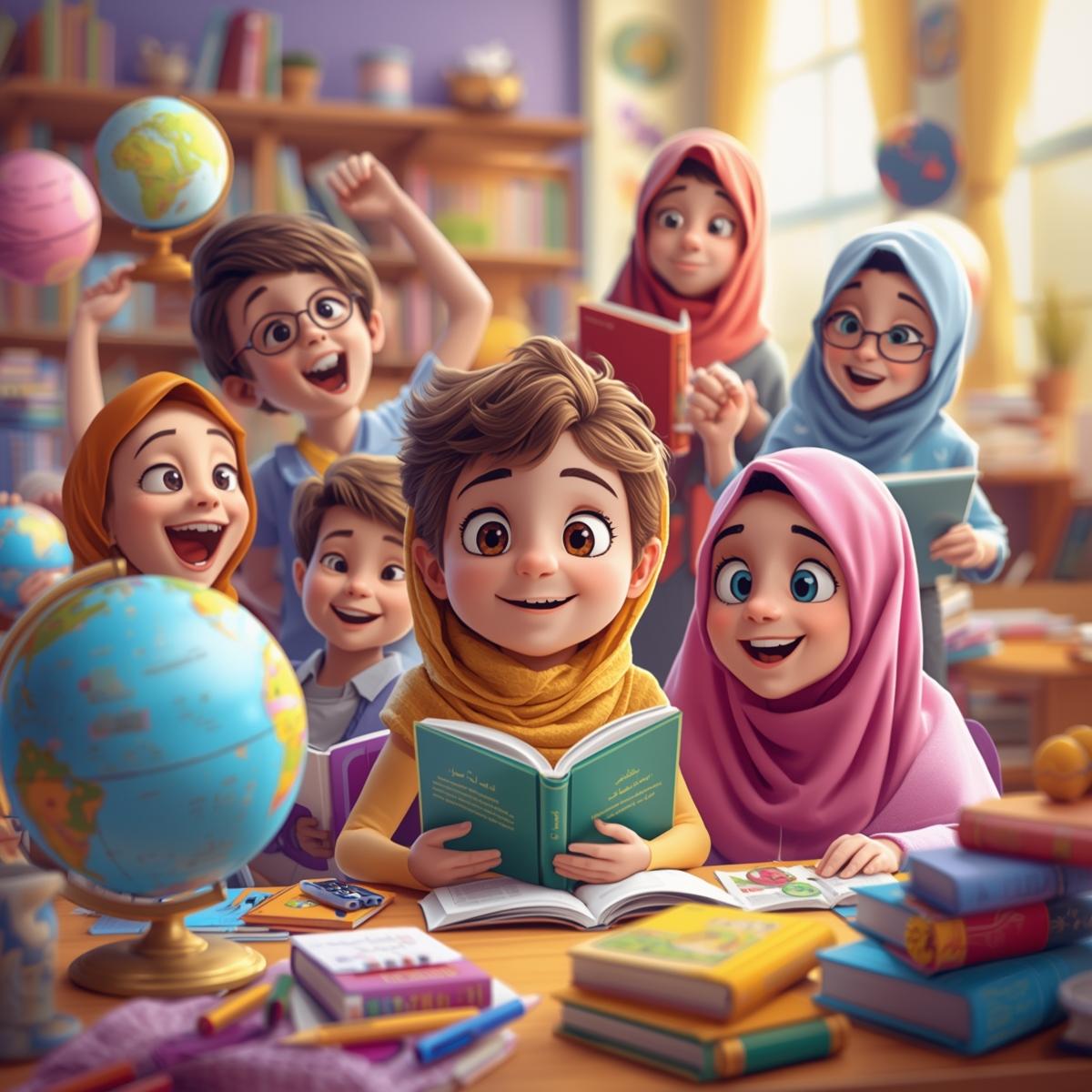
Cartoons that teach moral lessons play an important role in child development. These series provide entertainment while demonstrating values such as honesty, responsibility, cooperation, empathy, and perseverance. Moral cartoons help children understand right and wrong, develop social skills, and navigate ethical situations.
This article provides a detailed guide to cartoons that teach moral lessons, including popular series, platforms, teaching techniques, production insights, international examples, audience reception, and the impact on child development.
Importance of Moral Cartoons
Moral cartoons help children learn social and ethical values in a context they can understand. Characters model behavior that children can imitate, helping them develop empathy, honesty, and teamwork.
Watching moral lessons in animated form allows children to observe consequences of actions. This reinforces learning without direct exposure to real-world risks. Parents and educators can use these shows as tools to discuss values and decision-making with children.
Platforms Hosting Moral Cartoons
Television Channels
Channels like PBS Kids, Nickelodeon, Cartoon Network, and Disney Channel broadcast cartoons with moral lessons. These channels select series that are age-appropriate and safe for children while conveying social and ethical learning.
Streaming Platforms
Streaming platforms such as Netflix, Disney+, Amazon Prime Video, and Hulu host a variety of moral-focused cartoons. On-demand access allows parents to control what children watch and revisit episodes to reinforce learning. Platforms often categorize series by age and topic.
Online Platforms
Independent creators release moral cartoons on YouTube and other video-sharing platforms. These shows often teach practical life lessons or problem-solving in short episodes. Interactive features, quizzes, and additional materials are sometimes provided to enhance learning.
Features of Moral Cartoons
Storytelling Techniques
Moral cartoons integrate lessons within storylines. Characters face challenges that require ethical decision-making, cooperation, or honesty. Each episode concludes with a resolution that demonstrates consequences and reinforces the lesson.
Storytelling includes repetition of moral concepts, clear cause-and-effect relationships, and relatable situations. These techniques ensure children understand the lesson and can apply it in daily life.
Visual Learning
Animation conveys moral lessons through visuals. Actions, expressions, and environmental cues show the impact of good or bad behavior. Characters’ body language and interactions provide examples for children to emulate.
Auditory and Musical Cues
Dialogue, narration, and music support moral storytelling. Songs or repeated phrases highlight key lessons and help reinforce understanding. Auditory cues improve retention and comprehension.
Interactive Segments
Some moral cartoons engage children through questions, prompts, or interactive tasks. Episodes may pause to ask children what they would do in a situation. This participation encourages active learning and reflection on ethical choices.
Popular Cartoons Teaching Moral Lessons
Classic Moral Cartoons
Classic moral cartoons have been teaching values for decades. Series often focus on cooperation, honesty, sharing, and problem-solving. Characters face relatable challenges, demonstrating lessons that remain relevant today.
Modern Moral Cartoons
Modern series use advanced animation techniques and diverse characters to teach values. These cartoons address contemporary issues such as teamwork, environmental responsibility, inclusivity, and online behavior.
International Moral Cartoons
Moral cartoons from other countries provide cultural perspectives. Localized content introduces children to global values while teaching common lessons about honesty, responsibility, and empathy. Subtitles and dubbing ensure accessibility for wider audiences.
Recent Releases
Streaming Platform Releases
Streaming platforms have released new moral cartoons targeting different age groups. These series often include interactive features and global learning content. Episodes are designed to encourage reflection on ethical decisions and social behavior.
Television Channel Releases
Television channels continue to produce moral cartoons that combine entertainment with lessons. Episodes are scheduled for repeated viewing, allowing children to internalize moral concepts. Channel programming often includes discussions or related activities.
Teaching Techniques in Moral Cartoons
Repetition and Reinforcement
Episodes repeat key lessons through actions, dialogue, and outcomes. Repetition ensures children remember and understand moral values.
Role Modeling
Characters demonstrate positive behaviors such as helping, sharing, and honesty. Children observe and imitate these actions, applying them in real-life situations.
Cause-and-Effect Learning
Episodes show consequences of good and bad choices. Cause-and-effect storytelling helps children understand accountability and decision-making.
Interactive Learning
Some series involve children in problem-solving or decision-making. Viewers may be prompted to consider outcomes of choices before the episode concludes. This active engagement reinforces moral lessons.
Impact on Child Development
Moral cartoons influence cognitive, social, and emotional growth. Children develop empathy, understand consequences, improve communication, and learn problem-solving strategies.
Repeated exposure to moral storytelling fosters ethical thinking and social awareness. Children can relate lessons to daily life, enhancing their personal and interpersonal development.
Challenges in Producing Moral Cartoons
Balancing Lessons and Entertainment
Producers must ensure content is engaging while delivering lessons. Storylines must capture attention while remaining clear and age-appropriate.
Cultural Sensitivity and Localization
Ensuring moral lessons are culturally appropriate for global audiences is challenging. Localization requires adapting language, settings, and examples while preserving ethical teaching.
Budget and Technology Constraints
High-quality animation, interactive content, and streaming compatibility require investment. Studios must balance production costs with effective storytelling.
Future Trends
Future moral cartoons may integrate interactive technology, virtual reality experiences, and global collaboration. Studios may partner with educators, psychologists, and child development experts to ensure effective content.
Streaming platforms will continue expanding access to moral cartoons worldwide. Series may address contemporary issues such as digital safety, inclusivity, and environmental awareness.
Conclusion
Cartoons that teach moral lessons provide children with valuable learning experiences. They combine storytelling, visuals, music, and interaction to communicate ethical values. Platforms, studios, and independent creators continue to produce series that address honesty, empathy, responsibility, cooperation, and social problem-solving.
Parents and educators can use moral cartoons to support child development and guide discussions about ethical behavior. Monitoring new releases, platforms, and teaching techniques ensures children have access to effective, age-appropriate content.
Moral cartoons remain a powerful tool for combining entertainment with ethical learning, helping children navigate social and personal challenges in daily life.